During Summer 2025, I worked as a UX Design Intern in Tencent PCG ISUX (Internet Social User Experience) team, focusing on value-added services within the QQ Membership platform. My responsibility are to design and optimize core membership experiences, including a new membership daily check-in feature and Special QQ ID Store, a membership-based marketplace for premium vanity QQ IDs. I also explored the integration of generative AI use cases, prototyping concepts to enhance personalization and drive user engagement across the membership ecosystem.
During Summer 2025, I worked as a UX Design Intern in Tencent PCG ISUX (Internet Social User Experience) team, focusing on value-added services within the QQ Membership platform. My responsibility are to design and optimize core membership experiences, including a new membership daily check-in feature and Special QQ ID Store, a membership-based marketplace for premium vanity QQ IDs. I also explored the integration of generative AI use cases, prototyping concepts to enhance personalization and drive user engagement across the membership ecosystem.
Timeline
June 2025 - Aug 2025
My Role
UX Design
User Experience Research
Skills
Prototyping
UI/UX Design
Design System
Collaboration
Tools
Figma
Tencent IOA Tools
Feature Project 1
Feature Project 1
QQ Membership Daily Check-in System
QQ Membership Daily Check-in System
This work is under NDA
This work is under NDA
Feel free to reach out if you'd like to learn more about this project
Feel free to reach out if you'd like to learn more about this project
Feature Project 2 - Launched
Feature Project 2 - Launched
Redesign Special QQ ID Store
Redesign Special QQ ID Store
Discover
Data-Driven User Research
The Special QQ ID Store is a value-added membership feature that allows users to purchase premium, memorable QQ IDs as part of their digital identity.
While evaluating the previous version with product managers, we reviewed historical performance data and usage patterns. We found that
The Special QQ ID Store is a value-added membership feature that allows users to purchase premium, memorable QQ IDs as part of their digital identity.
While evaluating the previous version with product managers, we reviewed historical performance data and usage patterns. We found that
A stable group of older users (primarily ages 35+) continued to purchase Special QQ IDs, indicating sustained demand despite the outdated experience.
A stable group of older users (primarily ages 35+) continued to purchase Special QQ IDs, indicating sustained demand despite the outdated experience.
Engagement dropped early in the flow, suggesting friction and unclear value communication.
Engagement dropped early in the flow, suggesting friction and unclear value communication.
The existing UI no longer aligned with current QQ design standards, potentially reducing trust and perceived relevance.
The existing UI no longer aligned with current QQ design standards, potentially reducing trust and perceived relevance.
Design
Key Design Decisions
Before
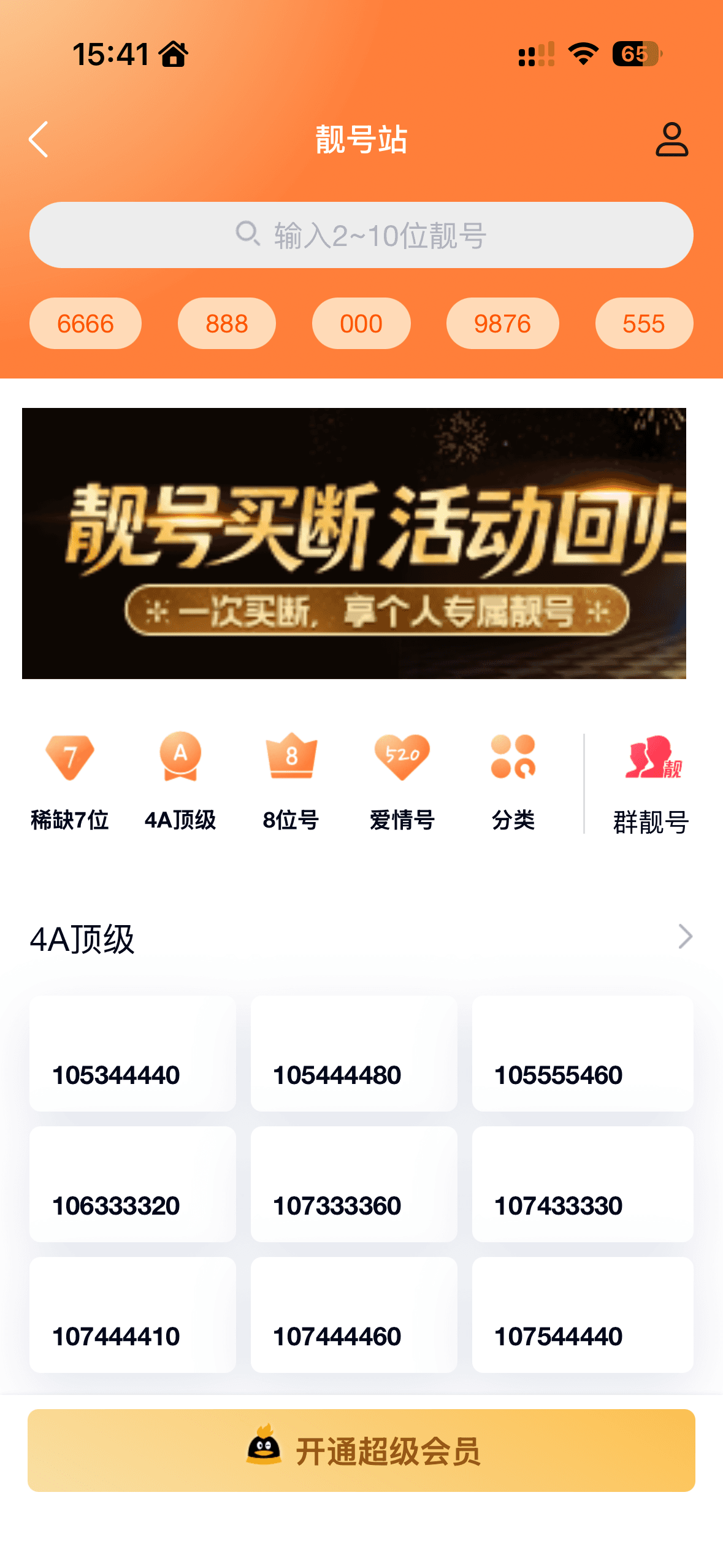
No clear hierarchy among Special QQ IDs.
No clear hierarchy among Special QQ IDs.
Search emphasized as a primary interaction, despite low actual usage
Search emphasized as a primary interaction, despite low actual usage
Pricing unclear or shown late in the decision flow
Pricing unclear or shown late in the decision flow
After
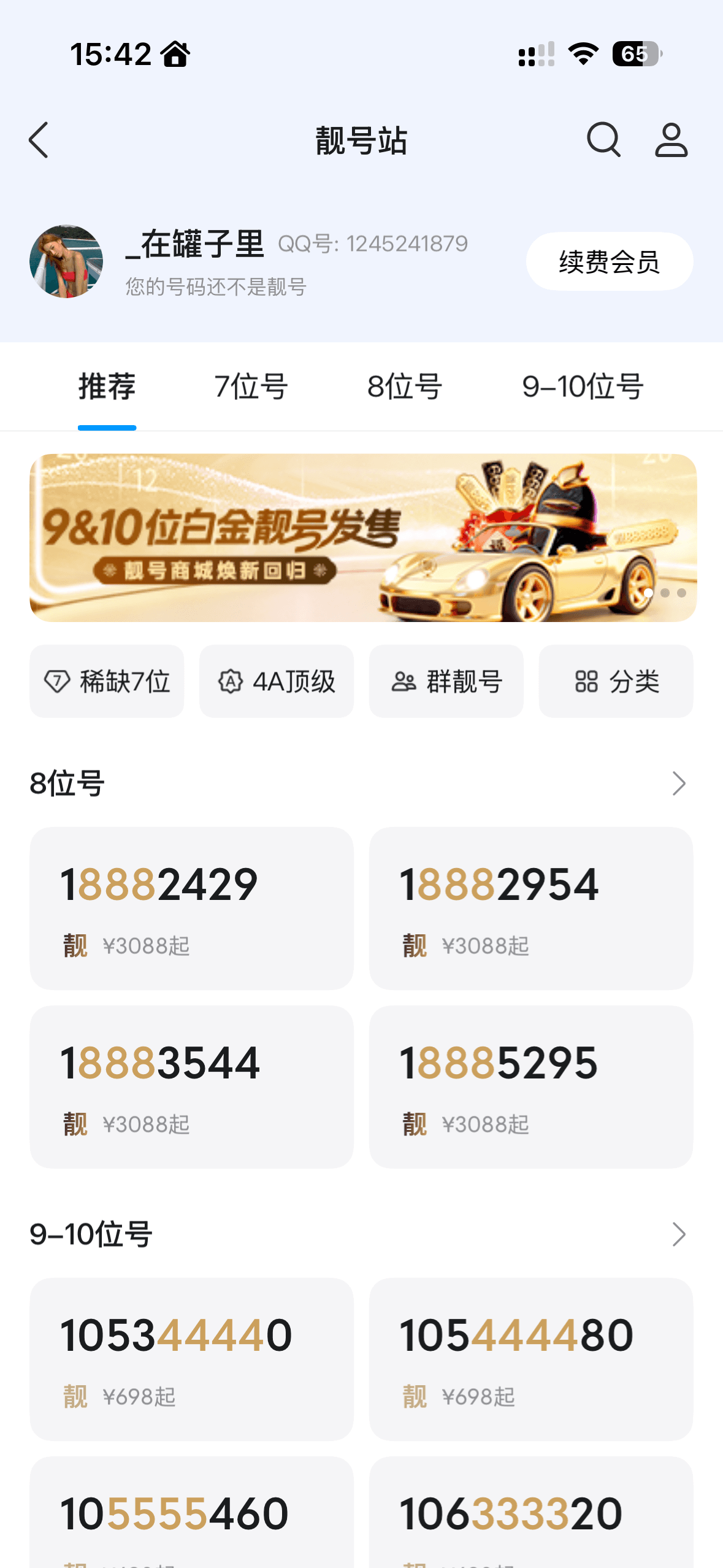
Clear visual hierarchy that highlights different ID tiers and associated membership value.
Clear visual hierarchy that highlights different ID tiers and associated membership value.
Number Readability
Number Readability
Transparent pricing displayed upfront to clarify value and privileges.
Transparent pricing displayed upfront to clarify value and privileges.

Before
Outdated and visually dense purchase page
Outdated and visually dense purchase page
unclear purchase flow
Unclear purchase flow
After
After
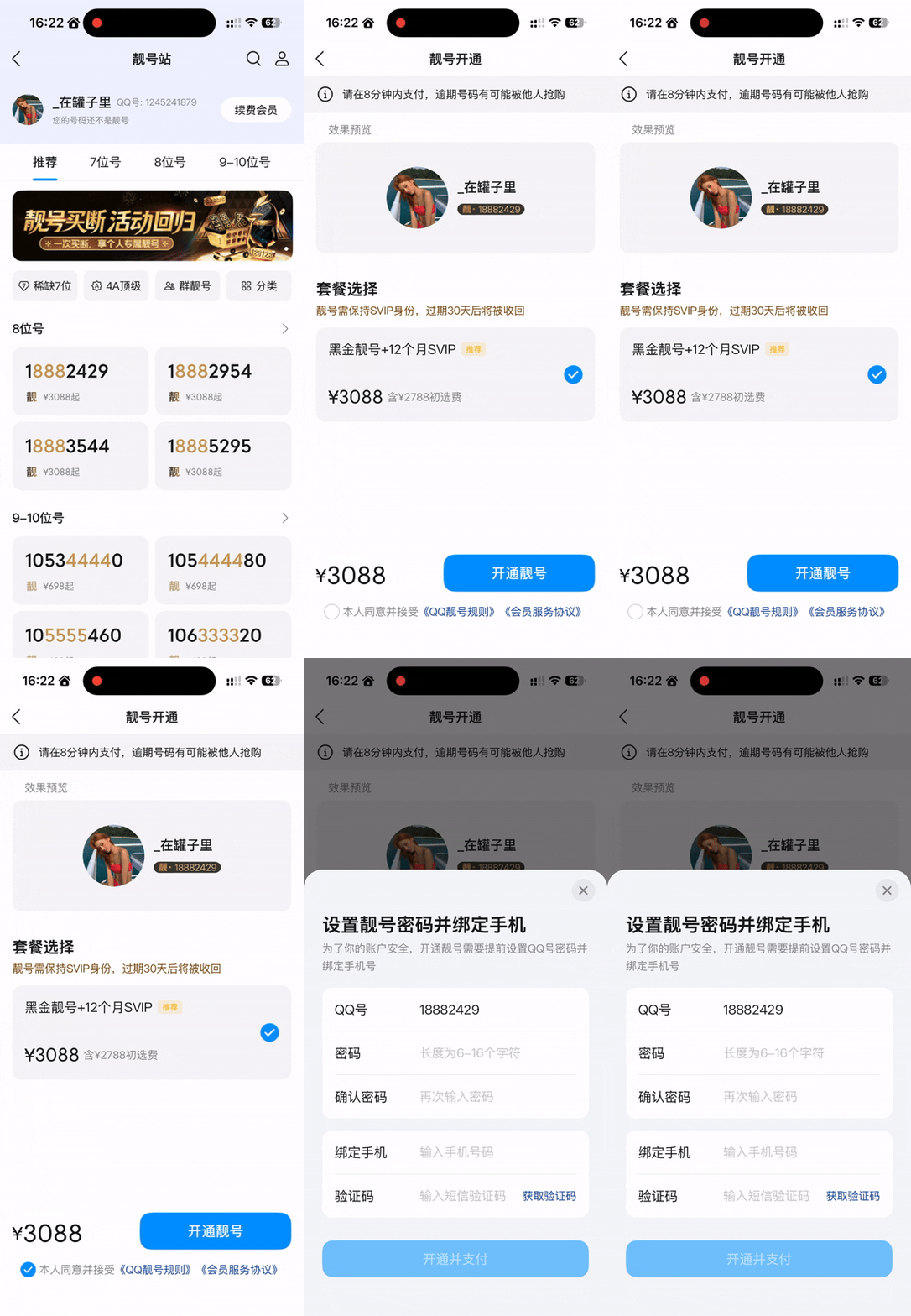
User-friendly purchase flow
User-friendly purchase flow
Special ID tag preview
Special ID tag preview
Purchase confirmation
Purchase confirmation
Exploratory Project 3
Exploratory Project 3
Integrated AI feature into large chatting group
Integrated AI feature into large chatting group
Discover
Background
“How might we use AI-enhanced group chat experiences to make QQ membership benefits more relevant, useful, and engaging for younger users?”
“How might we use AI-enhanced group chat experiences to make QQ membership benefits more relevant, useful, and engaging for younger users?”
“How might we use AI-enhanced group chat experiences to make QQ membership benefits more relevant, useful, and engaging for younger users?”
As part of an exploratory study on making membership benefits more attractive to younger and new users, I worked with my mentor to examine emerging social behaviors and trends. We focused on international student large group chats to understand their needs and pain points, and explored AI-driven concepts to support faster coordination and real-time problem resolution.
As part of an exploratory study on making membership benefits more attractive to younger and new users, I worked with my mentor to examine emerging social behaviors and trends. We focused on international student large group chats to understand their needs and pain points, and explored AI-driven concepts to support faster coordination and real-time problem resolution.
Discover
User Pain-points & Current large group chat problems
Information Overload & Task Discovery Challenges
Information Overload & Task Discovery Challenges
“Even though the group chat has a clear name, the conversations quickly become mixed. When I need to find a specific task or solution, it’s hard to locate what actually matters.”
“Even though the group chat has a clear name, the conversations quickly become mixed. When I need to find a specific task or solution, it’s hard to locate what actually matters.”
“Even though the group chat has a clear name, the conversations quickly become mixed. When I need to find a specific task or solution, it’s hard to locate what actually matters.”
Knowledge & Exerience Loss
Knowledge & Exerience Loss
“We’ve tried using AI summaries or searching keywords, but it still doesn’t help me quickly understand what I should do next.”
“We’ve tried using AI summaries or searching keywords, but it still doesn’t help me quickly understand what I should do next.”
“We’ve tried using AI summaries or searching keywords, but it still doesn’t help me quickly understand what I should do next.”
“A lot of useful advice gets shared in the group, but once the chat moves on, that knowledge is basically gone. There’s no way to save or reuse it.”
“A lot of useful advice gets shared in the group, but once the chat moves on, that knowledge is basically gone. There’s no way to save or reuse it.”
“A lot of useful advice gets shared in the group, but once the chat moves on, that knowledge is basically gone. There’s no way to save or reuse it.”
Friction in Light Social Coordination
"When I ask something like ‘Does anyone want to go to the supermarket?’ in a big group, I usually have to add new people to keep talking. Most of the time it’s just a one-off thing, and I end up with lots of contacts I never talk to again."
"When I ask something like ‘Does anyone want to go to the supermarket?’ in a big group, I usually have to add new people to keep talking. Most of the time it’s just a one-off thing, and I end up with lots of contacts I never talk to again."
Low Utility of the Right-Swipe View
“When I swipe right in a large group chat, the page there isn’t very useful. I almost never use it.”
“When I swipe right in a large group chat, the page there isn’t very useful. I almost never use it.”
“When I swipe right in a large group chat, the page there isn’t very useful. I almost never use it.”
Design
Key Design Decisions
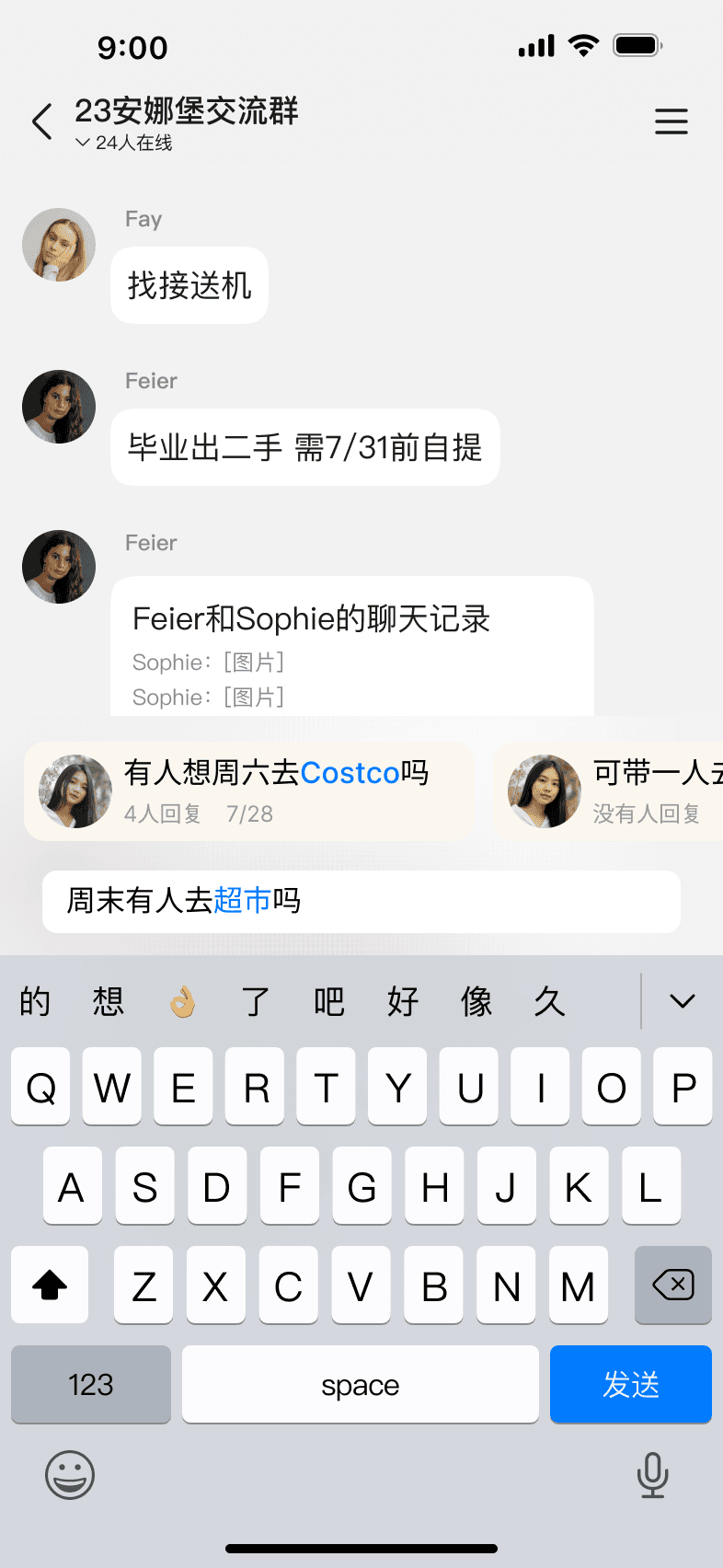
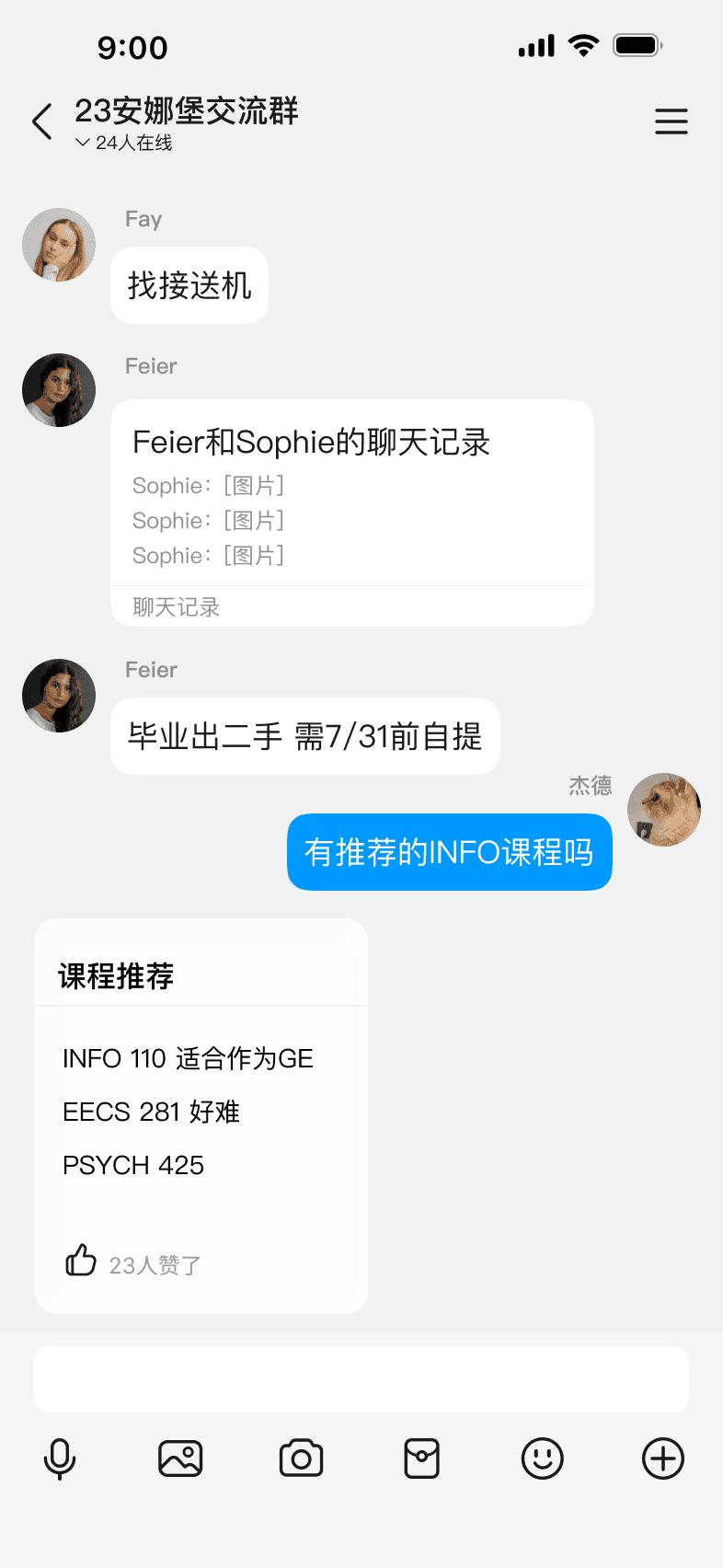
I introduced two card types:
Immediate Task Cards, when a user mentions an intent (e.g., “grocery”), the system highlights the keyword and surfaces related questions from recent chats, helping connect similar coordination needs in real time.
Preserved Knowledge Cards, which preserve valuable insights and solutions shared in the chat.
I introduced two card types:
Immediate Task Cards, when a user mentions an intent (e.g., “grocery”), the system highlights the keyword and surfaces related questions from recent chats, helping connect similar coordination needs in real time.
Preserved Knowledge Cards, which preserve valuable insights and solutions shared in the chat.
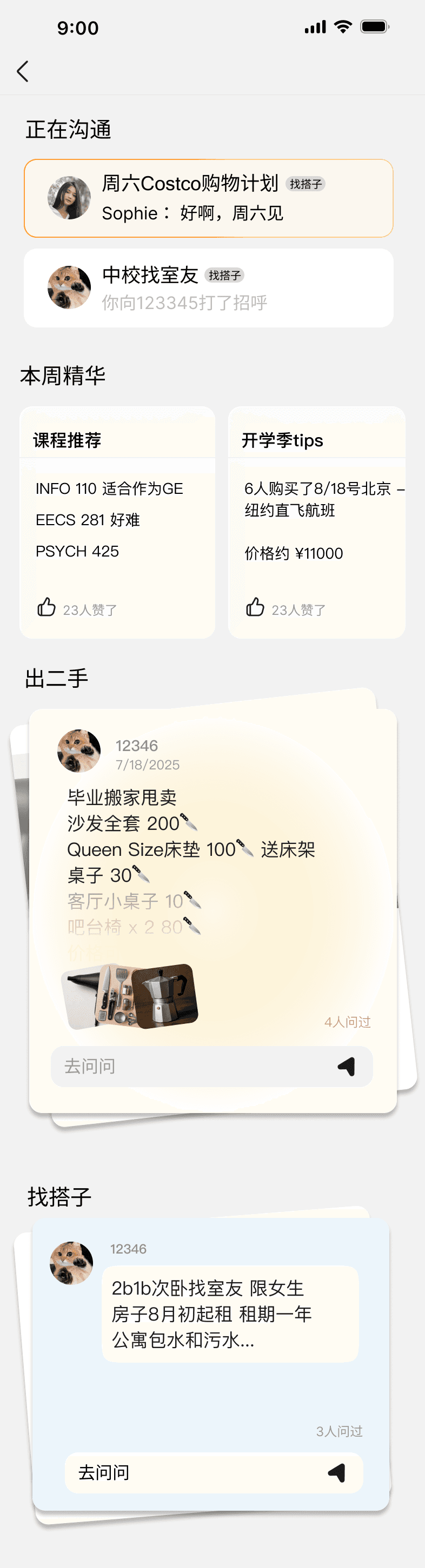
AI Message Aggregation
AI Message Aggregation
I designed an AI-powered aggregation view where group messages are organized into topic-based cards after a right swipe. Task Cards open a lightweight discussion space, allowing users to collaborate without adding each other as friends—supporting young users’ preference for low-friction, light social interaction.
I designed an AI-powered aggregation view where group messages are organized into topic-based cards after a right swipe. Task Cards open a lightweight discussion space, allowing users to collaborate without adding each other as friends—supporting young users’ preference for low-friction, light social interaction.
Discover
Reflection
Across three projects, this internship strengthened my ability to design at the intersection of user needs, data insights, and business goals. I learned to question assumptions through data, modernize legacy experiences without losing existing user value, and design for perceived value and hierarchy in large-scale membership systems. Working closely with product managers and mentors also helped me translate abstract goals, such as retention, growth, and “light social” interaction, into concrete design decisions. Most importantly, this experience deepened my understanding of how thoughtful UX design can balance continuity, innovation, and scalability within a complex product ecosystem.
Across three projects, this internship strengthened my ability to design at the intersection of user needs, data insights, and business goals. I learned to question assumptions through data, modernize legacy experiences without losing existing user value, and design for perceived value and hierarchy in large-scale membership systems. Working closely with product managers and mentors also helped me translate abstract goals, such as retention, growth, and “light social” interaction, into concrete design decisions. Most importantly, this experience deepened my understanding of how thoughtful UX design can balance continuity, innovation, and scalability within a complex product ecosystem.